Espresso and filter: two very different ways to extract
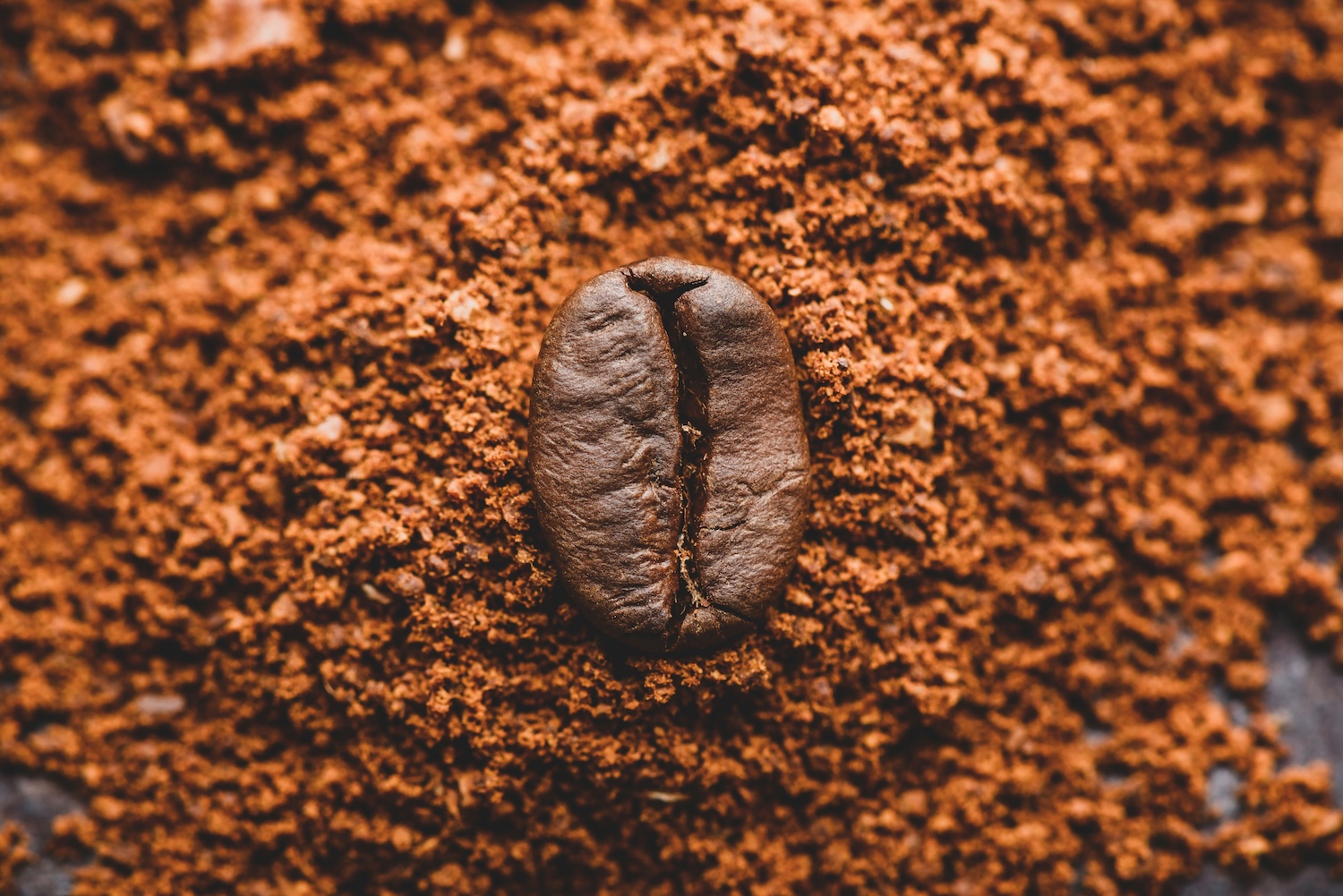
- Espresso: hot water is forced through finely ground coffee at around 9 bars of pressure in roughly 30 seconds. The result is a concentrated drink in which every flavour is amplified – sweetness and body, but also acidity.
- Filter: water passes through more coarsely ground coffee by gravity alone, over several minutes, and the resulting drink is much more dilute (a ratio of roughly 1:16). It stands out for its clarity and transparency of flavour.
That's why the same coffee behaves completely differently in each method. A delicate fruity acidity that feels refreshing in a V60 can taste as sharp as lemon in a concentrated espresso.
Espresso roast vs. filter roast
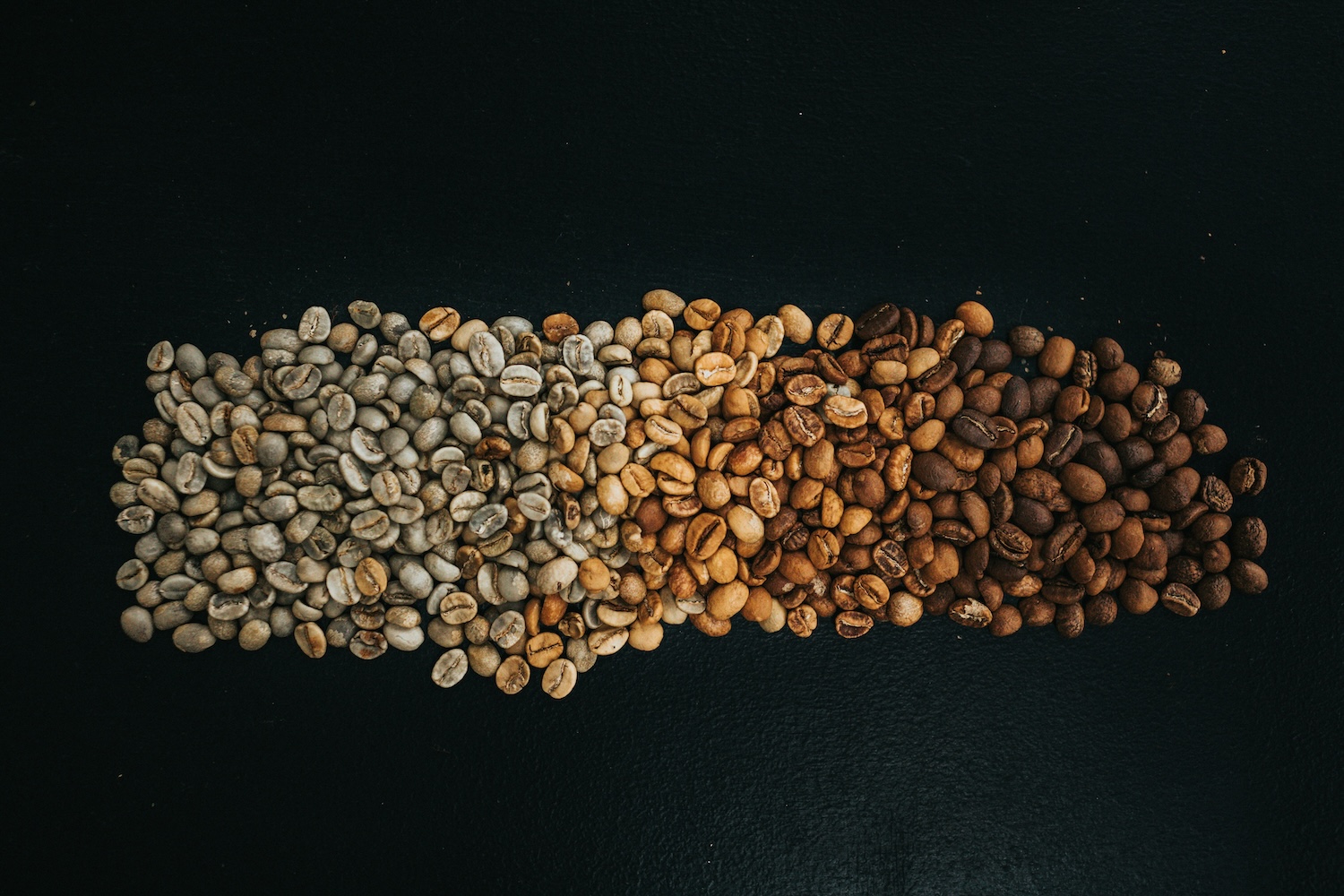
Roasters usually roast espresso coffee a little longer, or with a longer development phase after first crack. The beans become more soluble, extract more easily in a short shot, and the acidity rounds out into sweetness. The result is an espresso with a fuller body that works well on its own and with milk.
Filter coffee is roasted lighter, to bring out fruity and floral notes and the character of the origin, variety and processing method. With the longer extraction of filter brewing, even a light roast extracts without trouble and shows everything it has in the cup.
Myth alert: In the specialty world, an espresso roast doesn't mean a dark, oily "Italian" roast. It's usually a medium roast that's a long way from burnt bitterness. You'll find more about roast levels in our article Light vs. dark roast coffee.
Omni roast: one coffee for everything
Some roasters offer a so-called omni roast – a compromise profile designed to work both as espresso and as filter. It suits people who switch methods at home, a flat white in the morning and a V60 in the afternoon, and don't want two bags open at once.
Opinions on omni roasting differ among roasters. Some see it as a sensible compromise, others argue the coffee then doesn't fully shine in either method. In practice, expect an omni coffee to be a bit brighter and fruitier as espresso, and a touch fuller as filter, than a coffee roasted specifically for that method.
Which coffee to choose for your brewer
- Espresso machine (portafilter): espresso roast. More experienced home baristas can experiment with omni roasts.
- Bean-to-cup machine: definitely an espresso roast. Automatic machines offer limited control over grind size and temperature and extract quickly, so a light filter roast would easily taste sour. Coffees with notes of chocolate, nuts and caramel work best.
- Moka pot: espresso roast or omni.
- V60, Chemex, Kalita Wave: filter roast.
- AeroPress: either. It's the most forgiving method and copes with any roast.
- French press: filter roast or omni. An espresso roast gives a denser, heavier cup.
You'll find recipes for the individual methods in our articles How to make coffee at home and How to make espresso at home.
Can I use filter coffee in an espresso machine (and vice versa)?
You can – no one's going to arrest you. Just be ready to adjust the recipe:
- Filter roast as espresso: grind finer, raise the water temperature to 94–96 °C and stretch the ratio to 1:2.5–1:3. You'll get a bright, juicy espresso that shines best on its own. It doesn't work as well with milk.
- Espresso roast as filter: lower the water temperature to around 90–92 °C and grind a little coarser. The cup will be fuller and more chocolatey, less fruity.
You don't have to choose
In your KAVI coffee subscription you choose the coffee type based on how you brew it: Espresso, Filter, or a Combination of both. Freshly roasted beans from European micro-roasters then arrive right at your door.
Frequently asked questions
What's the difference between espresso roast and filter roast?
Espresso roasts are usually roasted a little longer, are more soluble and have a fuller body in the cup. Filter roasts are lighter, to bring out fruitiness, floral notes and the character of the origin.
Does espresso roast have more caffeine?
No. Caffeine content depends mainly on the type of coffee and the dose – roast level makes practically no difference. More in our article How much caffeine is in coffee?
Can I use filter roast in a bean-to-cup machine?
Better not. The machine can't extract it properly and the coffee will taste sour. For bean-to-cup machines, choose coffee roasted for espresso.
What is an omni roast?
A universal roast profile designed to work for both espresso and filter. It suits people who switch between several brewing methods at home.