
Paloma Coffee is an artisanal roastery specializing in specialty coffee located in the center of Wrocław, founded in 2018 by the Ukrainian couple Kateryna and Anton Pisniovi. The name is a combination of two languages—“paloma” means “dove” in Spanish, while “palona” in Polish refers to the roasting process. Behind the roaster is the 2019 Polish runner-up in coffee roasting.
Paloma’s story begins far from Lower Silesia. Kateryna and Anton Pisni had previously run the Koko café in Kherson, Ukraine, for six years, and when they moved to Wrocław, they opened their own business on Solny Square—preparations took half a year, and the most paperwork involved installing a roaster right on the premises. The key moment, however, was a trip to Barcelona. It was there that the couple learned the craft of roasting, and they even brought a piece of Barcelona back with them in the name of their roastery-café. For them, the dove symbolizes freedom—the freedom to choose and enjoy their favorite coffee.
Anton Pisnia confirmed that this wasn’t just a marketing gimmick just one year after launching: at the 2019 Polish Roasting Championship, which featured thirteen roasters from the country’s most respected roasteries, he took second place, right behind Mateusz Karczewski of Audun Coffee and ahead of Krzysztof Zamęcki of Etno Cafe. To this day, he serves as the brand’s head roaster.
Paloma Coffee’s philosophy is based on controlling every step of the process. The roastery works with beans for both espresso and alternative brewing methods and focuses on the careful selection of green coffee, proprietary roast profiles, quality control at every stage of production, and environmental responsibility. It also emphasizes presentation—with minimalist, elegant packaging design. The lineup offers a wide range of flavors, from fruity coffees with high acidity to profiles with pronounced sweetness and nutty-chocolate notes.
The evolution of the business itself is also interesting. Initially, Paloma roasted coffee right in the café so that guests could watch the process with their own eyes and meet other Wrocław residents over a cup of coffee. Today, the team operates out of a larger, standalone roastery and ships coffee throughout Poland—the company’s e-shop refers to this with a healthy dose of self-deprecating humor as “pigeon mail.” The roastery is also an active player on the Polish specialty coffee scene: for example, it hosted a cupping event with the importer Mare Terra Coffee, which was also attended by people from Etno Cafe and Figa Coffee.
Coffees from Paloma Coffee
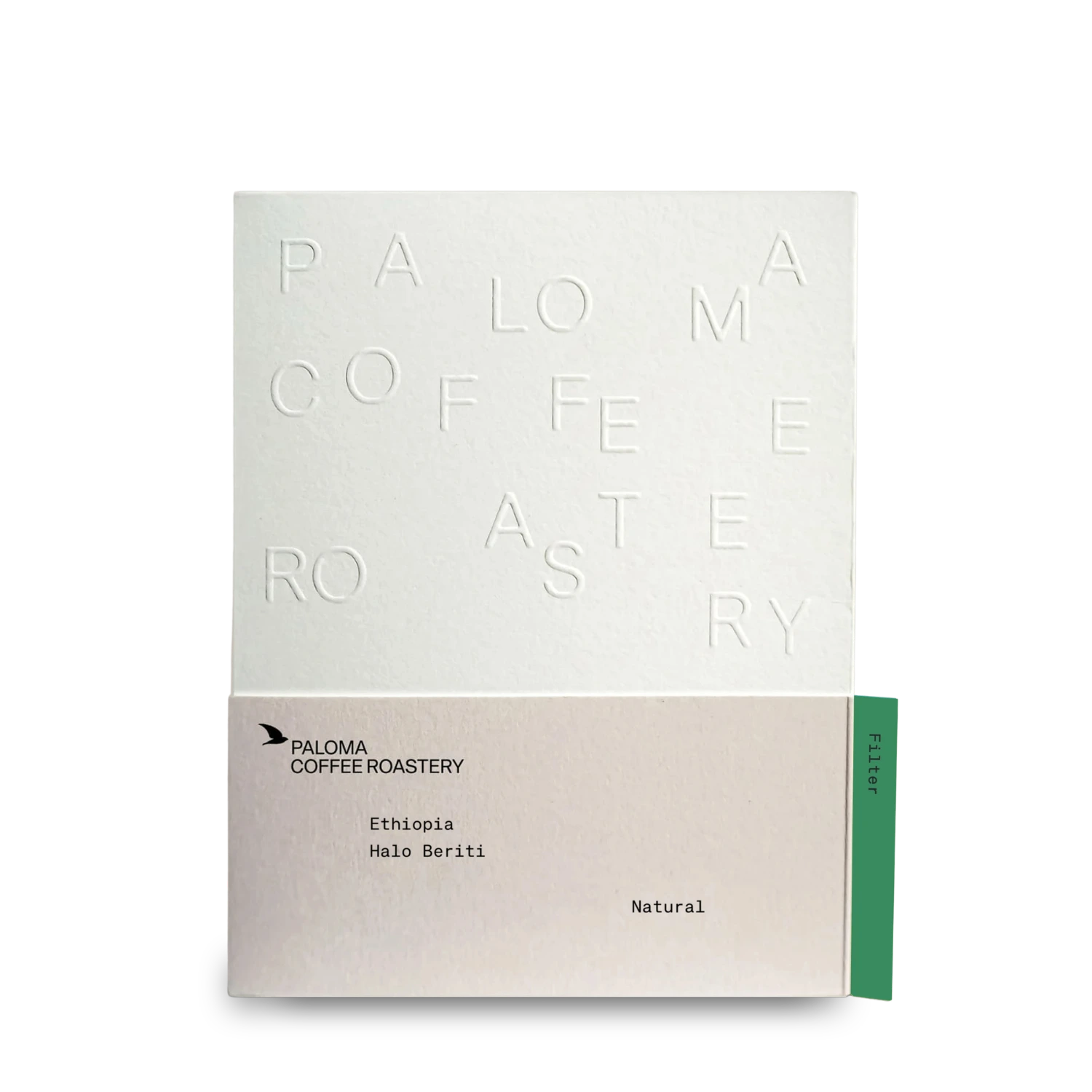
Grapefruit, red currant, lavender, cocoa
Kenya Gatuya AA
Paloma CoffeeA washed microlot from a cooperative comprising 3,500 small-scale farmers in the Murang'a region, selected through cupping. SCA score: 88 — and in the cup, it has that unmistakable Kenyan character.
Murang'a lies on the slopes of the Aberdare Mountains, and it is slightly cooler here than in the rest of Kenya's coffee-growing regions. The soil is deep red and rich in minerals, allowing the coffee to ripen slowly. The beans come from the Gatuya Coffee Factory—one of two stations owned by the New Murarandia Farmers Cooperative Society, which brings together roughly 3,500 small-scale producers. Most of them farm on very small plots, and each brings their freshly harvested cherries directly to the station. And this is where the interesting part begins. In Kenya, the delivered harvest is sorted and divided into individual lots, which are then cupped and selected—Gatuya AA is a microlot selected specifically based on the result in the cup, not on what happened to arrive. The processing is classic Kenyan: the cherries are pulped the same day, the beans ferment for 24–48 hours, are thoroughly washed, and then soaked in clean water for 12 to 72 hours. It is precisely this soaking process that gives Kenyan washed coffees their renowned clarity and vibrancy. Drying then takes place slowly on raised beds.
This coffee is only available in our monthly subscription. Join us and discover new flavors every month!
Choose Subscription
Chamomile, bergamot, jasmine, apple
Ethiopia Furla
Paloma CoffeeA washed coffee from Sidamo, Ethiopia, which Paloma Coffee Roastery intentionally roasted a bit darker so it would hold up well in an espresso. An heirloom variety with an SCA score of 86, notes of chamomile and bergamot—and organic certification.
Furla originated from a family-owned export company in Sidama, Ethiopia, whose history began with two brothers growing coffee in the Bensa region. Today, they own their own plantations, collaborate with a network of affiliated farmers, and—after more than twenty years in the industry—work with coffees from all Ethiopian regions, ranging from commercial lots to specialty coffee. The beans are hand-picked using the stripping method between November and January, followed by a classic wet processing method with aerobic fermentation: depulping, controlled fermentation, washing, density sorting of the parchment, and sun-drying. It is precisely this sorting that makes all the difference—it ensures consistent quality from batch to batch and is reflected in the clarity of the cup. It’s interesting to see how the roastery itself approached this coffee. Ethiopian coffees of this type have high acidity and plenty of fruity notes, which don’t always work well in an espresso. Paloma therefore leaves the beans in the drum longer than for a light roast—more caramelized sugar means a thicker crema and noticeably greater sweetness. The recommended espresso recipe is 18 g of ground coffee, 27–33 seconds, and about 36 g of coffee; if you want to tone down the acidity even more, you can aim for 50–60 g of output and a coarser grind.
This coffee is only available in our monthly subscription. Join us and discover new flavors every month!
Choose SubscriptionWant to taste coffees from Paloma Coffee?
With our subscription, you can taste coffees from various European roasters every month. Fresh specialty coffee delivered right to your door.
Learn more about subscription →