The roast level fundamentally changes the character of coffee – from the same beans it can produce a fresh, fruity drink or a darkly bitter espresso. Torn between light vs. dark roast and not sure which to choose? In this article we explain what happens when coffee is roasted, how each roast level changes the flavour, and how to pick the right one for your brewing method and your palate.
What happens when coffee is roasted
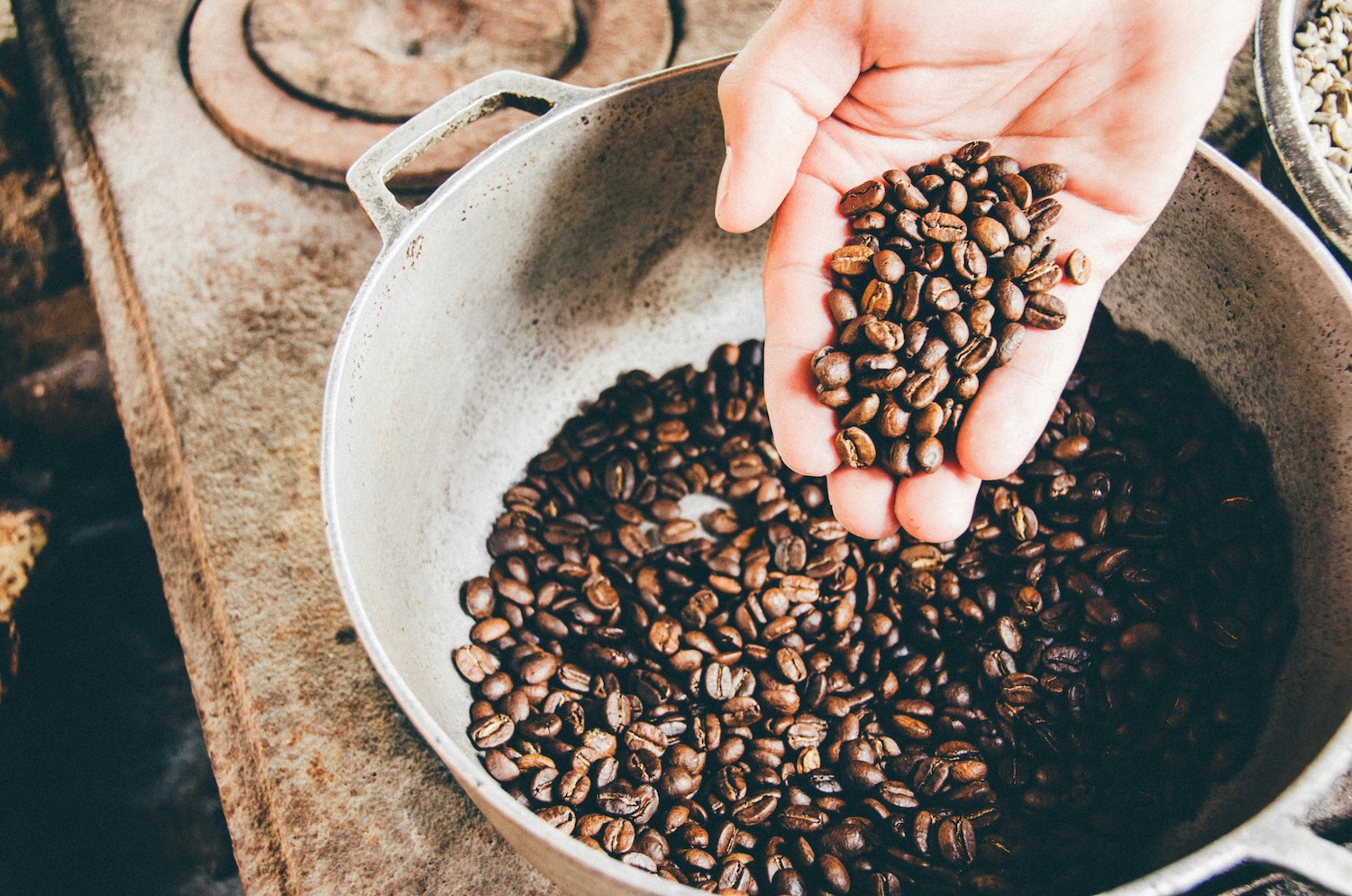
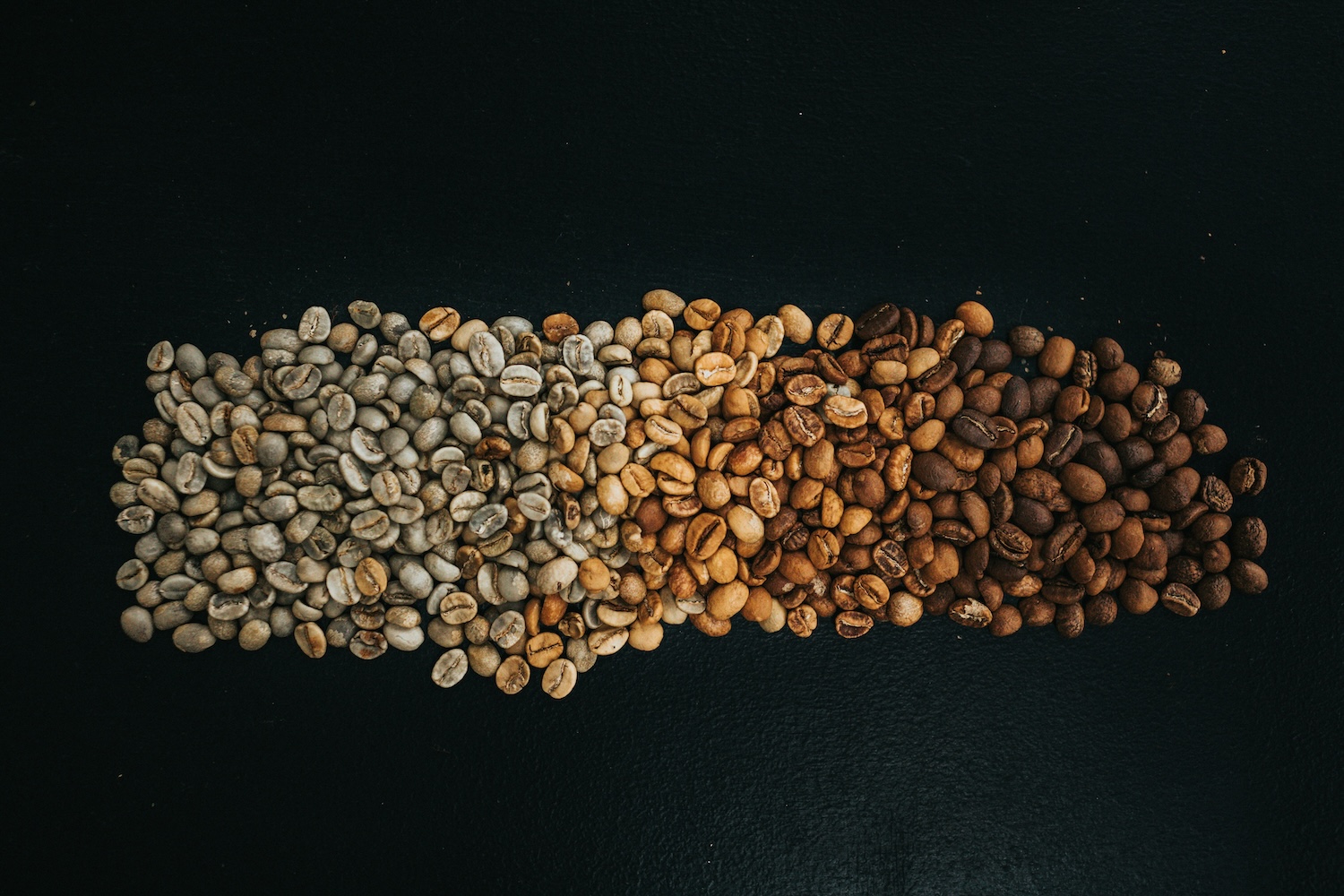
Raw green beans have almost no flavour and smell rather grassy. Only roasting develops their aromatic compounds, caramelises the sugars and changes the beans' colour, volume and weight. During roasting there is a so-called "first crack", when the beans expand, and with longer roasting a "second crack" as well. The longer and more intensely coffee is roasted, the darker and more bitter the result.
A simple rule applies: the lighter the roast, the more the bean's original character shines through (fruitiness, acidity, floral notes). The darker the roast, the more the flavour of the roasting itself takes over (dark chocolate, caramel, roasted notes).
Light roast coffee
The beans are roasted for a shorter time, stay light brown and have no oily surface. Light roasts are typical for specialty coffee, where you want to taste the origin and the variety.
- Taste: fresh, fruity, floral, with more pronounced and pleasant acidity
- Body: lighter
- Best for: filter methods (V60, AeroPress), where delicate notes shine
Medium roast coffee
The golden middle road – balanced flavour without extremes. The most versatile choice if you are unsure.
- Taste: balanced, with notes of caramel, nuts and milk chocolate
- Body: fuller
- Best for: all-round use – filter, moka pot and espresso alike
Want fresh specialty coffee every month?
With a KAVI coffee subscription we deliver freshly roasted beans from the best roasteries straight to your door. You choose the coffee, the amount and how often – and you can pause or cancel any time.
Dark roast coffee
The beans are dark brown to almost black, often with an oily surface. A dark roast suppresses acidity and delivers a bold, bitter flavour.
- Taste: bold, bitter, with notes of dark chocolate and roast; low acidity
- Body: full and heavy
- Best for: espresso and milk-based drinks (the coffee cuts through the milk)
Which roast for which brewing method
Roast level and brewing method are closely linked:
- Filter / V60 / AeroPress: light to medium roast, letting delicate and fruity notes shine
- Moka pot: medium to slightly darker roast
- Espresso and milk drinks: medium to dark roast for body and crema
Myth: a darker roast means more caffeine
A common misconception. A darker roast does not mean more caffeine – the differences between roast levels are minimal. The stronger "kick" of dark coffee comes from its more pronounced bitterness, not its caffeine content. Caffeine is influenced far more by the coffee species (arabica vs. robusta), the dose and the brewing method. A fun fact: measured by volume, light roast beans actually contain marginally more caffeine, because they are denser and heavier.
How to choose your roast level
Lovers of fruity, delicate flavours will reach for a light roast; fans of strong espresso for a dark one. If you are unsure, start with a medium roast – it is the most versatile and forgives small brewing mistakes. And remember that the same roast level can taste completely different across coffees, so it pays to try and compare.
Frequently asked questions
Does dark roast have more caffeine than light roast?
No. Differences in caffeine content between roast levels are minimal. The stronger taste of dark coffee comes from bitterness, not caffeine.
Which roast is best for espresso?
Most often medium to dark, because it delivers body, lower acidity and a rich crema. Many roasteries also offer lighter espresso profiles, though.
Why is light roast more acidic?
A shorter roast preserves more of the bean's natural acids. In specialty coffee this acidity is desirable – it adds freshness and fruity notes.