In short: Acidity in coffee isn't a flaw – it's a sign of quality. This article will help you tell pleasant fruitiness from harsh sourness, understand bitterness, and learn how to read flavour descriptions on our bags so you always pick a coffee that suits your palate.
Acidity isn't the enemy – it's character
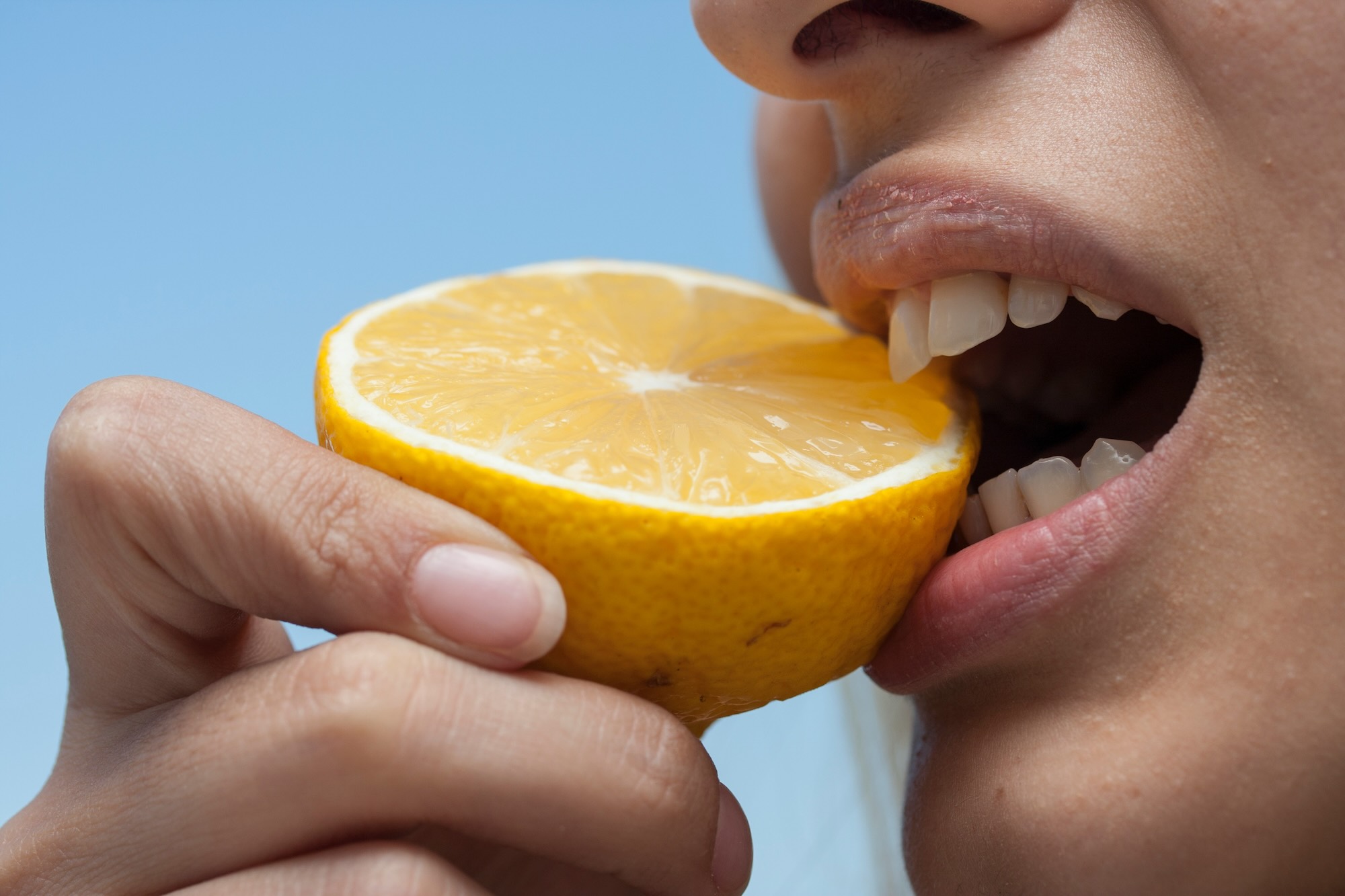
When you hear "sour coffee," most people picture something unpleasant and astringent. Something that went wrong. But acidity in coffee works completely differently from the sourness of a lemon that makes your mouth pucker. It's about liveliness, a spark on the tongue. Think of it like good wine – without acidity, it would be flat and boring.
In the barista world, acidity is called "brightness" and it's one of the most prized qualities in a bean. Great acidity reminds you of green apple, blackcurrant, cherry, or citrus blossoms. It doesn't bite. It illuminates.
When is sourness actually a problem?
Unpleasant, sharp sourness does exist – but it's usually the result of poor preparation, not the coffee itself. The most common causes:
- Under-extraction – too coarse a grind, too little time, low water temperature. The coffee didn't have a chance to brew properly and sour notes dominate.
- Stale coffee – beans roasted months ago lose their sweetness, leaving only flat acidity behind.
- Low-quality beans – with commodity coffee, acidity truly does come across as unpleasant because the sweetness that should balance it is simply missing.
In quality specialty coffee, properly prepared, acidity is always balanced by sweetness. They work as a team – one doesn't work without the other.
What about bitterness? It's not automatically bad either
Bitterness has its place in the coffee world. Chocolate, dark caramel, roasted nuts – these are all bitter notes that can be absolutely fantastic. The problem comes when bitterness steamrolls everything else. This typically happens with dark roasting or poor preparation, when too much is extracted from the coffee.
A simple guide:
- Pleasant bitterness – round, velvety, reminiscent of dark chocolate. It fades after a moment and leaves a sweet aftertaste.
- Unpleasant bitterness – sharp, ashy, lingering on the tongue a full minute after your last sip. A classic sign of over-extracted or stale coffee.
The flavour spectrum: Where do you sit?
Think of a coffee flavour profile as a spectrum. On one end you'll find fruity and floral coffees, on the other chocolatey and nutty ones. Most people feel comfortable somewhere in the middle – and that's perfectly fine.
Fruity and floral coffees
Typically beans from Africa – Ethiopia, Kenya, Rwanda. Washed coffees tend to be cleaner and brighter, naturals sweeter and fuller. On the label, look for descriptions like citrus, red berries, jasmine, bergamot, peach sweetness.
Balanced, caramel-nutty coffees
Brazil, Colombia, Guatemala. This is the safe middle ground – if you don't want surprises but do want quality. Bag descriptions will read something like milk chocolate, hazelnut, caramel, honey. Minimal acidity, pleasant sweetness.
Dark, robust, chocolatey coffees
More deeply roasted beans, often from Asia or South America. Descriptors like dark chocolate, tobacco, cedar wood, spice. Full body, minimal acidity. Great in milk-based drinks.
How to read the labels on our bags
Every bag on our e-shop carries a few key pieces of information that tell you more than any review ever could. Here's a quick guide to decoding them:
Origin (terroir)
Country and growing region. African coffees = more fruity. Central and South America = more chocolatey and nutty. Asia = more spicy and earthy. These are guidelines, not gospel – but they work surprisingly well.
Processing method
Washed coffee tends to be cleaner with more pronounced acidity. Natural (dry-processed) adds sweetness and body. Honey process sits somewhere in between. If you're wary of acidity, go for natural or honey.
Roast level
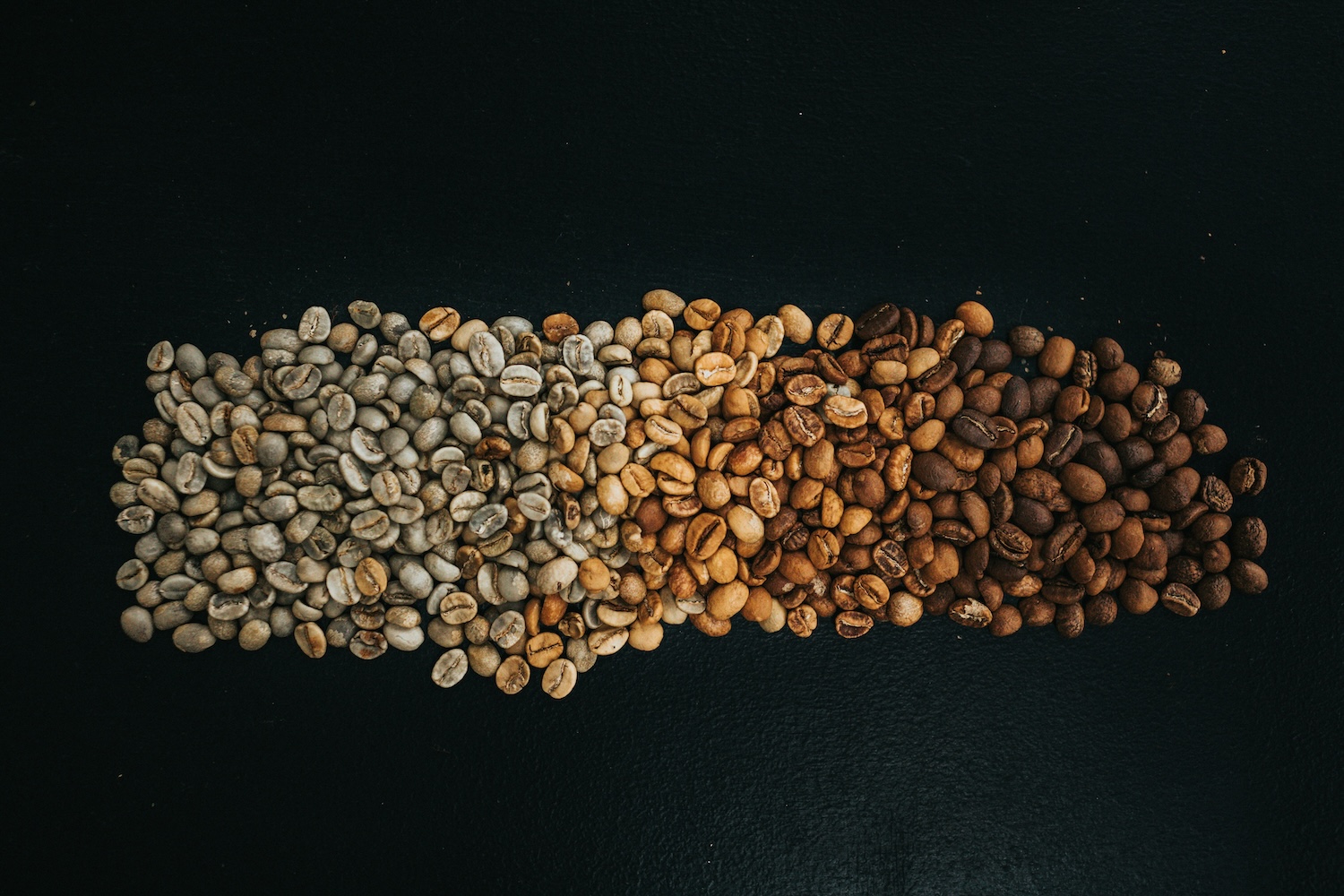
Light roast highlights the bean's natural character – including acidity. Medium roast offers balance. Dark roast shifts the flavour toward bitterness and body. No level is objectively better – it's purely about what you enjoy.
Flavour notes
Don't be alarmed here. When a bag says "strawberry, milk chocolate, cane sugar," it doesn't mean someone added strawberries. It means those are the associations the coffee naturally evokes. Treat it as a compass, not a promise of a specific ingredient.
Tip: New to specialty coffee? Pay attention to the "body" description. If you like strong, full coffee, look for "full body" or "heavy body." If you prefer a lighter cup, choose coffee labelled "delicate" or "silky" body.
Getting started: A practical guide for the unsure
If you're new to specialty coffee and don't want to risk being put off by your first bag, follow one simple rule: start in the middle and gradually work your way out.
Pick a medium roast from Colombia or Brazil – it's the closest in flavour to what you're used to, just a few quality levels higher. Once you've adjusted, try something from Ethiopia or perhaps Costa Rica. And if you stumble upon a coffee you don't like? No problem. You've just learned something about your preferences – and next time you'll choose better.
Like the idea of having someone else handle the selection for you? Check out our Coffee Subscription – we'll curate a selection tailored to your taste and nudge you a little further each month.
Common myths about sour coffee
Myth 1: "Specialty coffee is always sour"
Reality: It depends on origin, processing, and roast. A Brazilian natural with a darker profile won't be sour at all.
Myth 2: "Acidity means poor quality"
Reality: Quite the opposite. Well-balanced acidity is one of the main criteria for evaluating specialty coffee according to SCA standards.
Myth 3: "Light roast means under-roasted"
Reality: Light roasting is intentional – it preserves the bean's natural flavours. It actually demands more precision from the roaster than dark roasting.
Let your own palate be the guide
No chart or article can replace first-hand experience. A coffee flavour profile is a personal thing – and the best way to discover yours is simply to taste. Don't be afraid of acidity. Don't be afraid of bitterness. Just be afraid of settling for average when something extraordinary is waiting around the corner.
Ready to try? Order our Tasting Pack – three different coffees, three different flavour worlds. And if you're not sure what to pick, drop us a line. We're happy to help.